MOBILE:+86-13950015611 EMAIL: roger@dnqgifts.com

Views: 0 Author: Site Editor Publish Time: 2026-08-11 Origin: Site


The souvenir retail landscape is experiencing a significant shift across the industry. Standard flat printed magnets are rapidly losing their visual shelf appeal. Tactile, three-dimensional designs now command higher retail prices. They also yield substantially better profit margins for retailers. We created this comprehensive guide to help you navigate this specific inventory transition. Gift shop owners and museum retail buyers face a distinct operational challenge today. You must carefully balance unit costs against perceived value. Long-term durability also remains a crucial factor when upgrading your shop inventory. Choosing incorrectly eats directly into your baseline retail margins. This article introduces the essential evaluation criteria you need. We will show you how to select the right design parameters. You will learn how to choose appropriate materials and identify a reliable manufacturing partner. These insights ensure maximum sell-through rates for your upgraded retail displays.
Retailers frequently over-invest in highly complex visual designs. These intricate items often suffer from poor practical utility. Buyers chase aesthetics but ignore basic functional physics. For instance, a magnet might look beautiful on the shelf. However, it might weigh entirely too much for its attached backing. This frustrates buyers and ultimately damages your store reputation. Customers will not return if products fail immediately at home.
Evaluating your 3D souvenir magnet specifications solves this operational problem. You must scrutinize several technical factors before placing mass orders. Weight versus magnet strength forms the most critical ratio. Heavy resin pieces demand strong neodymium magnets. Alternatively, you can use full-coverage flexible magnetic backing. Never rely on cheap rubber strips for bulky designs. Heavy items will inevitably slide down the consumer's refrigerator door.
Dimensions also require careful mathematical analysis. Standard sizes typically range between 3-inch and 4-inch variants. Overall thickness directly impacts your inbound shipping costs. Thicker items also consume highly valuable shelf-display real estate. We recommend auditing your physical store racks. Do this before finalizing your dimensional requirements.
Durability and compliance represent absolute non-negotiable elements. Consider the physical drop-test realities present in any busy retail environment. Tourist shops see intense, daily heavy foot traffic. Products will occasionally fall onto hard floors. You need shatter-resistant materials to minimize inventory shrinkage. Furthermore, non-toxic paint ensures baseline consumer safety. Family-oriented gift shops cannot compromise on strict compliance standards.
Best Practices:
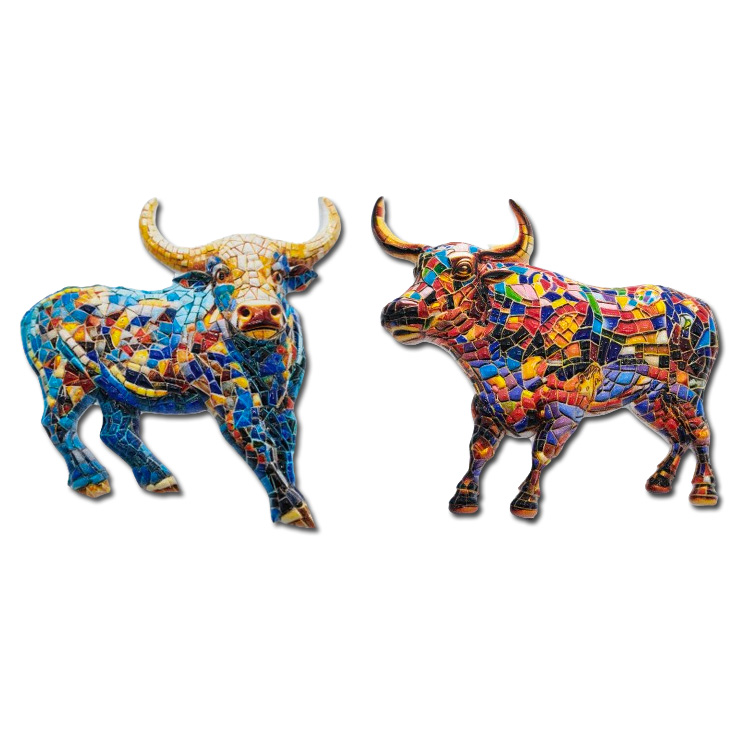
Compare the three dominant materials used in modern souvenir manufacturing. Each category serves a highly specific retail purpose. Each material offers distinct advantages and unique operational drawbacks. Understanding these differences prevents costly purchasing mistakes.
Embossed polyresin remains best for historical museums. Architectural landmarks also benefit greatly from this specific material. It offers incredibly high perceived value for the consumer. You can achieve hyper-realistic detailing through the resin molding process. Buyers appreciate the premium, heavy feel. However, polyresin has notable fragility and higher shipping weight. Dropping a resin piece often results in chipping.
Soft PVC serves entirely different retail markets. It is exceptionally ideal for foodie designs and vibrant zoos. You will frequently see it used for cartoon-style tourist art. PVC is highly durable and virtually drop-proof. It bounces rather than shatters upon impact. This material remains very cost-effective for large production runs. The colors stay bright and resist long-term fading.
Layered laser-cut wood appeals strongly to eco-conscious boutiques. National park visitor centers often favor these natural wood options. Wood feels organic, sustainable, and highly authentic. It bridges the gap between a standard souvenir and a crafted art piece.
Map each material to its expected retail price ceiling. Doing so clarifies your overarching cost-to-outcome framing. Target audiences differ drastically across these distinct material choices. You must align the material perfectly to your specific customer demographic.
| Material Type | Ideal Target Market | Durability Level | Typical Price Ceiling |
|---|---|---|---|
| Embossed Polyresin | Historical Museums, Landmarks | Low (Fragile) | Premium |
| Soft PVC | Zoos, Food Markets, Theme Parks | High (Drop-proof) | Mid-Range |
| Layered Wood | National Parks, Eco-Boutiques | Moderate | Mid to Premium |
Stop guessing what tourists actually want to buy. Evaluate proven design frameworks instead. Retail data shows certain visual themes consistently drive impulse buys. Aligning designs to consumer psychology dramatically increases your daily sales velocity. You need products capturing immediate emotional resonance.
Landmarks and architecture heavily dominate the tourist market. Miniature replicas of specific local monuments always outperform generic city names. Travelers want tangible reminders of exact places they visited. A detailed 3D relief of a famous local clock tower sells rapidly. It performs much better than a flat skyline silhouette.
Hyper-local food and culture represent a massive rising trend. Foodie designs are rapidly taking over urban gift shops. Tourists love buying magnets depicting iconic local dishes. Miniature hot dogs, regional pizzas, or famous street signs perform exceptionally well. These highly colorful options stand out prominently on crowded retail shelves. They trigger positive memories associated specifically to dining experiences.
Niche and curated designs offer another lucrative pathway. Integrating a gift shops 3D souvenir magnet inventory alongside specific museum exhibits works wonders. Imagine offering custom dinosaur fossils near a paleontology wing. Fine art relief magnets perform brilliantly near gallery exits. Thematic alignment creates powerful buying urgency. The customer associates the specific object directly to their recent learning experience.
Common Mistakes:
Retail buyers face a crucial strategic decision framework. When should you invest capital in a custom mold? When does it make strategic sense to buy off-the-shelf regional designs? Let us break down the exact return on investment for both paths.
The custom route requires serious strategic consideration. Tooling and mold costs represent highly transparent upfront investments. Creating a proprietary custom 3D souvenir magnet typically costs between $100 and $300 for the mold alone. However, this initial investment yields pure retail exclusivity. No competitor can sell your exact design.
Proprietary designs successfully prevent price-shopping by tourists. If they can only buy the piece from your counter, they will gladly pay your asking price. Lead times demand careful planning, though. Realistic expectations matter greatly here. Moving from prototyping to final mass production takes significant time. You must approve CAD designs or physical clay samples first. Expect a total window of four to eight weeks before delivery.
The stock wholesale route offers a different set of advantages. You benefit directly from significantly lower minimum order quantities. Production turnaround times are much faster. This works perfectly for last-minute seasonal stocking. The primary drawback remains lower competitive differentiation. The rival shop down the street might sell the exact same item. This forces a race to the bottom regarding retail pricing.
Consider these factors before choosing your sourcing path:
Auditing a B2B 3D souvenir magnet supplier requires strict shortlisting logic. You rarely have the luxury of visiting an overseas factory in person. Therefore, you must evaluate them rigorously through remote correspondence. Strong communication serves as the first indicator of reliability.
Pay exceptionally close attention to their exact prototyping policy. Do they offer a physical pre-production sample? Some factories only provide digital renders to save time. Accepting digital-only proofs introduces significant financial risk. Digital renders cannot verify 3D depth accurately. You must hold the physical sample. This allows you to check the true weight and surface finish.
Quality control guarantees are another crucial evaluation dimension. Ask them about their acceptable defect rate. This matters heavily for hand-painted resin items. Paint misalignment happens frequently during fast mass production. Clarify who absorbs the cost of these defective units. A reliable manufacturing partner will replace them at no extra charge. Red flags include suppliers refusing to detail their return policies.
Logistics and tariffs demand absolute financial transparency. You need crystal clarity on total landed costs. Compare Delivered Duty Paid (DDP) against Free on Board (FOB) shipping terms. DDP includes all customs fees and delivers straight to your retail door. FOB leaves you handling complex port logistics and unexpected import tariffs. Always demand a transparent breakdown of landed costs before signing any purchase contracts. This prevents margin erosion upon final delivery.
Selecting the right inventory requires a highly balanced, analytical approach. You must match your specific store type directly to the correct material. Historical museums benefit most from detailed, premium polyresin. Urban centers and zoos see much faster turnover using highly durable soft PVC. Custom molds offer excellent long-term ROI through total exclusivity. Meanwhile, stock designs effectively fill immediate short-term inventory gaps.
Take these actionable next steps to upgrade your retail strategy today:
A: It typically ranges from 500 to 1,000 units depending on the material. PVC usually requires lower MOQs than custom molded resin. Some suppliers may negotiate lower initial runs for a higher unit price. However, ordering at standard MOQs ensures the best possible retail profit margins.
A: Emphasize the strict requirement in your 3D souvenir magnet specifications for hard ferrite or full-backing flexible magnets. Never accept small adhesive rubber dots for heavy resin pieces. A proper strength-to-weight ratio guarantees the magnet provides actual utility for the consumer.
A: Yes. The psychological pricing advantage is immense. While wholesale costs are slightly higher, the retail markup for a 3D souvenir magnet can safely reach 300-400%. The perceived craftsmanship and tactile feel convince tourists to comfortably accept a premium price point.


