MOBILE:+86-13950015611 EMAIL: roger@dnqgifts.com

Views: 0 Author: Site Editor Publish Time: 2026-08-05 Origin: Site


Sizing a souvenir magnet might seem like a simple artistic choice. However, for merchandise buyers in destination retail, it serves as a critical procurement decision. A few millimeters can drastically shift your profit margins. Tourist attractions and museum gift shops operate inside limited retail footprints. Oversized magnets reduce inventory density and inflate shipping weights. Collectors also face strict limits on their home display boards. Bulky items often get left on the store shelf. In this guide, you will learn how to optimize magnet dimensions for maximum profitability. We will explore material weight, tooling fees, and standard size guidelines. Every square inch on a spinner rack matters. We will show you exactly how to approach this balance. By the end, you can confidently build a tech pack balancing aesthetic appeal with true commercial viability.
Every inch of a retail store holds monetary value. Gift shops rely on dense displays to drive high-volume impulse purchases. Choosing the right magnet size directly influences how much inventory you can present to tourists.
Merchandisers often use standard spinner racks to display magnets. These racks hold specific backing card dimensions. If you increase a magnet’s diameter by just 0.5 inches, you lose valuable display space. A standard rack tier might hold twelve facings of a two-inch magnet. Expand the design to three inches, and you might only fit eight facings. You instantly reduce your on-floor inventory by 33 percent. Fewer facings mean restocking happens more frequently. It also limits the variety of designs you can offer to customers.
Product dimensions control raw material costs. Larger items require more resin, metal, or PVC. Size also dictates your packaging requirements. A bulky item needs a larger blister pack or a wider backing card. This increases the overall shipping weight. When you order bulk shipments internationally, heavy pallets eat into your margins. Streamlining your dimensions keeps freight costs predictable and low.
You must also consider the end consumer. Tourists collect magnets from multiple destinations. They have limited space on their refrigerators or magnetic display boards at home. A successful destination retail custom souvenir fridge magnet balances visual impact with spatial practicality. Buyers routinely pass on oversized novelties because they dominate too much space. They prefer modest, well-crafted pieces fitting neatly into an existing collection.
Best Practices for Retail Sizing:
Common Mistakes to Avoid:
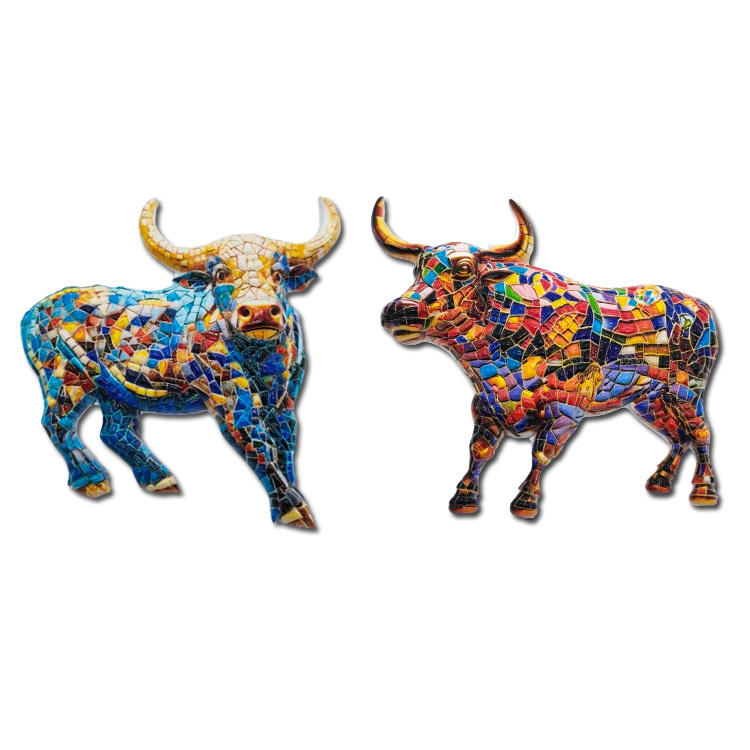
Creating a tech pack requires precise measurements. Factory partners need clear parameters to estimate costs accurately. Standardizing your sizes helps streamline the quoting process.
Industry standards help you avoid unnecessary tooling fees. You should evaluate your designs against proven baseline criteria. Flat and 3D designs generally follow the same footprint rules. Keeping your designs within these borders ensures they fit standard retail packaging.
For rectangular or square designs, standard dimensions are usually 2" x 2" or 2.5" x 3.5". The latter matches standard trading cards. This size offers excellent visibility without hogging retail space. For round designs, factories usually recommend 2", 2.25", or 2.5" diameters. When developing bespoke die-cut shapes, keep the maximum axis under 3.5 inches.
Properly defining your custom souvenir fridge magnet specifications protects you from unexpected packaging conflicts.
Thickness varies entirely by the substrate you choose. You cannot use the same thickness for metal as you do for PVC. Each material carries its own structural requirements.
Soft enamel and die-cast zinc alloy usually run between 1.5mm and 2mm thick. This profile keeps the metal from becoming too heavy. 3D PVC designs require more depth to achieve a layered, tactile look. You should specify 3mm to 4mm for PVC designs. Resin or MDF wood pieces typically sit around 3mm thick. These measurements prevent warping while maintaining a premium feel.
Below is a quick reference guide outlining standard dimensional parameters.
| Shape Type | Standard Dimensions | Recommended Maximum Axis |
|---|---|---|
| Rectangle / Square | 2" x 2" or 2.5" x 3.5" | 3.5 inches |
| Round / Circle | 2", 2.25", 2.5" diameter | 3.0 inches |
| Die-Cut / Custom | Variable by design | 3.5 inches |
A beautiful design fails completely if it falls off the refrigerator. Weight and magnetic strength must work in perfect harmony. Sizing impacts product weight exponentially. A slight increase in dimensions drastically increases the mass.
The slide problem represents a major technical risk. It happens when you create an oversized, heavy item with a weak magnetic backing. Large zinc alloy pieces or multi-layered wood designs are notorious for this issue. If the magnet grade cannot support the sheer weight of the souvenir, it will slide down vertical surfaces. This leads to frustrated customers and bad reviews for your attraction.
You must match the backing material to your chosen substrate. Factory partners usually offer three distinct grades of magnetic backing.
Flexible rubber magnets work best for lightweight items. They use a thin magnetic sheet cut to shape. You will see these on flat acrylic or tinplate designs. The thickness usually ranges from 0.5mm to 1mm.
Ceramic, or ferrite, magnets handle medium-weight items. They are the industry standard for resin or MDF souvenirs. They require adequate surface area to grip the metal door. You must ensure the backing accommodates a large enough ceramic disc.
Neodymium, or rare earth magnets, are mandatory for heavy pieces. Thick die-cast metal or oversized 3D PVC designs demand neodymium. They are small but incredibly powerful. They embed directly into the back of a custom souvenir fridge magnet to provide maximum holding force.
Never approve a mass production run without testing the shear force. Shear force measures the resistance to sliding down a vertical surface. You must ask the factory to send physical prototypes before final sign-off.
Steps to evaluate shear force on a prototype:
Every unique shape requires unique tooling. You must weigh the aesthetic value of a unique silhouette against the upfront manufacturing costs. Standard shapes keep budgets low, but custom shapes capture tourist attention.
Standard templates offer a fast, budget-friendly route. You pay no extra setup fees for standard squares, rounds, or rectangles. However, tourists often want something distinctive. Investing in a bespoke custom custom souvenir fridge magnet makes sense for local landmarks, unique mascots, or recognizable architecture. A custom outline creates a stronger emotional connection for the buyer.
When you size outside standard parameters, factories must create new molds. Injection-molded PVC and die-cast metal require expensive metal dies. These one-time setup fees impact your minimum order quantities (MOQs).
If a mold costs one hundred dollars, you need to spread that cost across your order volume. On an order of one hundred units, the mold adds one dollar to the unit cost. On an order of one thousand units, it adds just ten cents. You must calculate the break-even point before finalizing a bespoke size. High-volume gift shops easily absorb tooling fees. Smaller museums might struggle with the added expense.
Custom sizes trigger a ripple effect across your packaging. An irregular shape rarely fits nicely on a standard rectangular backing card. You often need custom-cut cards to accommodate wide or asymmetrical designs. If you use blister packs, bespoke shapes require brand new plastic mold vacuums. Every packaging modification adds to your per-unit landed cost. You must account for these extras during the procurement phase.
| Factor | Standard Tooling | Custom Tooling (Die-Cut) |
|---|---|---|
| Mold Fees | None (Pre-existing templates) | High (Requires new metal dies) |
| Break-even MOQ | Low (Suitable for small runs) | High (Requires volume to amortize) |
| Packaging Complexity | Fits standard backing cards | Often requires custom blister packs |
| Visual Impact | Moderate | High (Highly collectible) |
Your sizing strategy only succeeds if your factory partner executes it accurately. Finding a reliable manufacturer takes diligence. You need a partner who understands retail constraints and material science.
A trustworthy custom souvenir fridge magnet supplier operates with complete transparency. They will gladly share their manufacturing limitations. If your requested size is too heavy for standard magnets, a good supplier will warn you immediately. They should provide detailed technical drawings before asking for a deposit.
Never skip the prototyping phase. Ask potential suppliers about their proofing speed. Top-tier factories offer digital proofs within twenty-four hours. More importantly, they provide physical sampling before mass production begins. You need this sample to test the magnetic shear force and verify the final display dimensions.
Destination retail requires strict adherence to safety standards. Gift shops see heavy foot traffic, including children. Your supplier must provide current safety certifications. If you order PVC items, ensure they are phthalate-free. For painted resin or metal, demand lead-free certifications. Non-compliant materials expose your business to severe legal risks.
Tourist seasons fluctuate wildly. You might need a small batch in winter and a massive restock in summer. Evaluate the factory’s ability to handle staggered shipments. They must also guarantee consistent color-matching across repeat orders. A design printed in May must look exactly like the batch printed in November. Ask about their quality control procedures for long-term color fidelity.
Successful magnet procurement relies heavily on strict dimensional planning. You must balance retail display limits with material weight and tooling costs. An extra half-inch might look great on a computer screen, but it can ruin your spinner rack density and spike freight charges. You must match the physical footprint to the correct magnetic backing to prevent failure on the consumer’s refrigerator. Tooling fees also require careful volume forecasting.
Your next step is to audit your current retail display space. Measure the facings on your pegboards and spinner racks. Document the dimensions of your top-selling SKUs to establish a baseline. Finally, build a detailed tech pack and request a physical prototype from your shortlisted supplier. Thorough preparation ensures you receive a highly profitable, retail-ready product.
A: Typically 2.5" x 3.5" for rectangles, or around 2.5" on the longest side for die-cut shapes, optimizing both visibility and display space.
A: 3mm to 4mm is the industry standard to ensure durability without becoming too heavy for standard magnetic strips.
A: Yes, due to one-time mold and tooling setup fees, but this is often amortized across bulk runs of 500+ units.
A: Match the magnet grade to the substrate weight. Heavy metal or resin requires embedded neodymium magnets rather than flat rubber tape.


